Why Melbourne’s Inner North is Where Smart Property Investors Are Looking Right Now
If you’ve been sitting on the fence about property investment in Melbourne, let me share something I’ve noticed working with buyers across the inner northern and inner north-western suburbs: the investors who succeed aren’t necessarily the ones with the biggest budgets. They’re the ones who understand what makes a Melbourne property actually grow in value.
The Inner North Advantage Most Investors Miss
I’ve walked countless clients through properties in Brunswick, Coburg, Thornbury, and Pascoe Vale. What strikes me every time is how many people overlook the fundamental drivers of growth in these areas. They get distracted by fancy kitchens or that third bedroom, when what really matters is infrastructure, demographics, and livability.
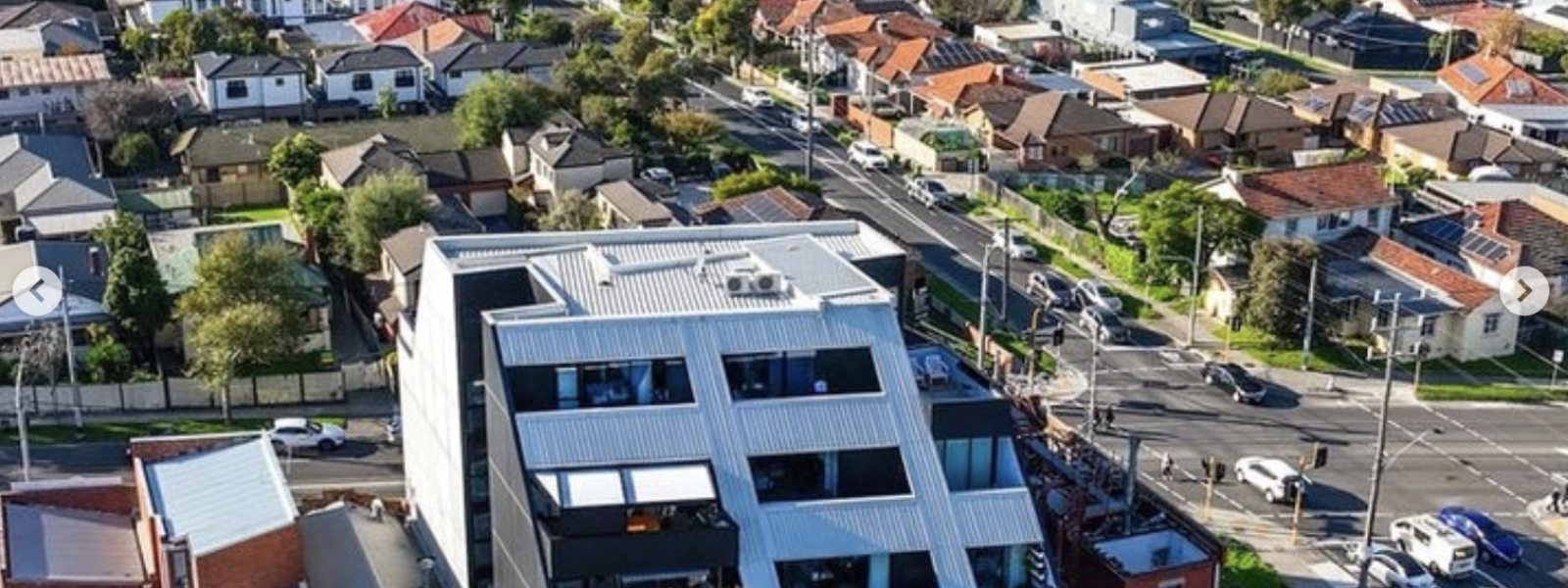
Take the suburbs along the Upfield line. Over the past five years, I’ve watched these areas transform. Not because of some magic trick, but because of systematic improvements: better transport links, new cycling infrastructure, and an influx of young professionals and families who want the Melbourne lifestyle without the Melbourne CBD price tag.
What Actually Matters When You’re Investing
Here’s what I tell every client who sits down with me for the first time: forget what you’ve read in those generic property investment guides. Melbourne is different, and the inner north has its own rules.
Location beats renovation every single time. A tired but livable property within 800 meters of a train station in Thornbury will outperform a beautifully renovated house in a car-dependent pocket. Why? Because Melbourne buyers and renters pay a premium for convenience, and that premium keeps growing.
The rental yield sweet spot is real. In the inner northern suburbs, you’re looking at properties that can deliver both capital growth and decent rental returns. A two-bedroom villa unit in Brunswick might give you a 4-5% yield while still appreciating steadily. Compare that to some of the outer suburbs where you might get higher yield but questionable growth prospects.
Walkability is the new waterfront. I can’t stress this enough. Properties within walking distance of Sydney Road, Lygon Street, or High Street command premiums that keep widening. People want to grab their morning coffee without getting in the car. They want to walk to the park with their kids. This isn’t a trend. It’s a fundamental shift in how Australians want to live.
The Suburbs I’m Watching (And Why)
Working one-on-one with investors has given me a front-row seat to which areas are genuinely undervalued versus which are just being talked up by marketing campaigns.
Coburg and Coburg North are experiencing what Brunswick went through a decade ago. The infrastructure is there, the community is established, and prices still offer a reasonable entry point. I’ve helped clients secure properties here that I genuinely believe will see significant capital growth over the next 5-10 years.
Glenroy and Hadfield represent the next wave. Yes, they’re a bit further out, but the bones are solid: excellent train connections, large blocks, and a demographic shift that’s bringing in young families. The investment thesis here is longer-term, but the fundamentals are sound.
Pascoe Vale and Strathmore offer something different: established family appeal with consistent demand. These aren’t suburbs where you’ll see explosive growth, but they deliver steady, reliable returns. For investors who want to sleep well at night, that’s worth a lot.
Getting Your Investment Strategy Right
I’ve seen too many people jump into Melbourne property investment with half-formed plans. They read a few articles, maybe attend a seminar, and then make a decision that ties up hundreds of thousands of dollars. That approach rarely ends well.
When you’re investing in Melbourne’s inner north, you need to be clear about your timeline. Are you looking at a 5-year hold or a 15-year hold? That answer completely changes which properties make sense. A villa unit in Brunswick might be perfect for a shorter-term play, while a three-bedroom house in Coburg North is your long-term wealth builder.
You also need to understand your own risk tolerance. Some investors are comfortable with properties that need work, banking on forced appreciation through renovation. Others want something they can rent out immediately with minimal hassle. Neither approach is wrong, but they require different strategies and different suburbs.
The Mistakes I See Over and Over
Buying for emotion instead of numbers. I get it. You walk into a property and you can picture yourself living there. But you’re not living there. You’re investing there. That beautiful Californian bungalow in Thornbury might tug at your heartstrings, but if the rental return doesn’t stack up and the land size doesn’t support future development, it’s not an investment. It’s a lifestyle choice.
Ignoring the body corporate. This one catches so many first-time investors. They see a cheap villa unit in Brunswick and jump on it without reading the body corporate minutes or checking the sinking fund. Three months later, they’re hit with a special levy for $15,000 worth of building repairs. Do your homework here, or better yet, work with someone who knows what red flags to look for.
Underestimating renovation costs. Melbourne tradespeople are expensive. That property that looks like it just needs a cosmetic refresh? Budget for double what you think it’ll cost, then add another 20% for the surprises. Old weatherboard homes in the inner north can have all sorts of hidden issues: stumps, electrical, plumbing, asbestos. Know what you’re getting into.
Why I Focus on the Inner North and North-West
People sometimes ask me why I concentrate on these particular suburbs instead of spreading across all of Melbourne. The answer is simple: depth of knowledge beats breadth every time.
I know which streets in Coburg have better drainage. I know which pockets of Brunswick are gentrifying fastest. I know the local councils, the planning overlays, the infrastructure projects that are funded versus the ones that are just talk. When you’re investing significant money, that granular knowledge matters.
I can tell you which developments are actually going to get built and which are going to sit in planning purgatory for years. I can tell you which rental markets are tightening and which are oversupplied. I can tell you where the families are moving and where the young professionals want to be.
This isn’t information you get from browsing realestate.com.au. It comes from being on the ground, working with buyers, talking to local agents, and keeping your finger on the pulse of what’s actually happening in these communities.
The One-on-One Difference
I work closely with each client because every investor’s situation is genuinely different. Someone with $600,000 to invest and a high income has completely different options than someone with $400,000 and rental income as their main goal. Someone planning to move to Melbourne in five years needs a different strategy than someone building a long-term portfolio from interstate.
When we sit down together, I want to understand what you’re actually trying to achieve. Not in vague terms like “build wealth,” but specifically. Do you want passive income now or capital growth for later? Are you planning to renovate or hold as-is? How hands-on do you want to be as a landlord?
These conversations shape which properties I even show you. There’s no point looking at a development site in Pascoe Vale if you want something that’s going to generate rental income from day one. Equally, there’s no point buying a fully renovated villa unit if your strategy is to add value through improvements.
What Success Actually Looks Like
I’ve worked with investors who’ve seen their Melbourne properties double in value over a decade. I’ve also worked with investors who’ve achieved solid 6-8% annual growth while pulling in reliable rental income. Both groups are happy, because they got what they were actually aiming for.
The key is having a clear strategy from day one and sticking to it. Property investment in Melbourne’s inner northern suburbs isn’t about getting rich quick. It’s about making informed decisions, buying quality assets in strong locations, and giving them time to perform.
The investors who struggle are usually the ones who keep changing their strategy. They buy for capital growth, then get impatient and try to force higher rental returns. They buy in one suburb, then panic when another suburb has a hot six months and try to sell and move. Consistency and patience win in this market.
Where to From Here?
If you’re serious about property investment in Melbourne, particularly in the inner northern and north-western suburbs, the best thing you can do is chat to us. We live here. Breathe here. We walk the streets, talk to locals, because we are locals. We understand what makes each suburb tick.
And when you’re ready to work with someone who specialises in these areas, please reach out. We’re the people who can give you straight answers about which properties make sense for your specific goals and which ones don’t. We’re people who’ll tell you when to walk away from a deal, even if it means less commission.
That’s the approach I take with every client, because at the end of the day, your success as an investor is what builds my reputation. I want you to look back in five or ten years and know that you made the right call on that Coburg townhouse or that Brunswick villa unit.
Melbourne’s inner north offers genuine opportunities for smart investors. The question is whether you’re ready to approach it strategically, with eyes wide open to both the potential and the pitfalls. If you are, these suburbs have a lot to offer.